Featured
Table of Contents
Right here are three typical misunderstandings about grieving that we could think when we consider our own or somebody else's method of grieving: One of the most usual false impressions about grieving is that everyone goes with it in the same way. As we have actually established, regreting is a special journey that is different for everyone.
If you ever before locate yourself thinking, "I'm doing it incorrect," try reminding on your own that "there's no right or wrong means of grieving."Furthermore, there's no specific order for the phases of sorrow. Our initial emotional response to loss may be temper and anxiety. This doesn't suggest that we're not grieving properly.
And our feelings can come in waves of strength. Lots of people get annoyed with themselves because they assume they're grieving also long.
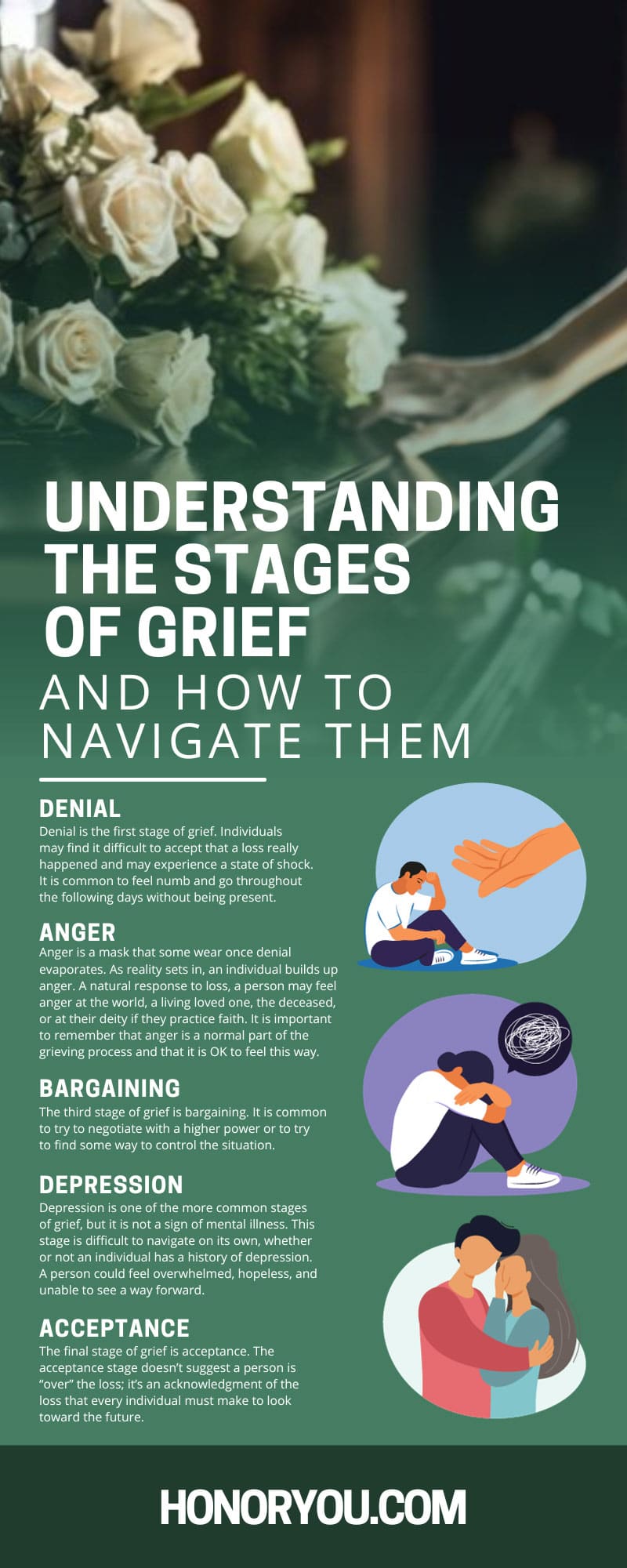
Despair is a complicated procedure that differs from one person to another. The 5 stages of pain denial, anger, bargaining, anxiety, and acceptance are a practical structure for thinking of despair, yet it does not suggest we'll go via every stage. Likewise, we can experience these elements of pain at different times, and they don't occur in one certain order.
Professional Boundaries for Medical Professionals After Trauma Healing in San Francisco
This site uses cookies to assist personalise content, customize your experience and to keep you visited if you register. By continuing to utilize this site, you are consenting to our usage of cookies.
The 7 phases of grief are a template for exactly how an individual may regret. This intermittent framework is indicated to help you better understand your feelings and is not intended to prescribe exactly how you must regret, what you must be sensation, or in which order. Everybody grieves in a different way. Each phase might reoccur or overlap the others.
Find out much more regarding the 7 phases of grief. Grief can be a difficult and messy process.
Building Sustainable Partnerships After Trauma Healing in San Francisco
That's since no one can ever be truly prepared for a loss so substantial. Many of the time, this is due to the fact that your body has not refined the loss.
These feelings and experiences are self-protective devices that function as a buffer to ensure that you are not bewildered all at when. Since the fatality of a liked one can have such a substantial influence on you, you could experience denial. During this stage of sorrow, it is just also hard for your mind to comprehend that your relative, buddy, or various other loved one is gone.
Performance Anxiety in Psychologists
As you slowly start to accept the loss and what it indicates for your life currently, your denial will begin to reduce. You might have a broader array of feelings and feelings when denial disappears. Until then, you may have durations when you really feel distressed, which can be set off by tips of your enjoyed one.
Sometimes, it's a typical feeling to want to avoid others to make sure that you do not need to recognize or review your loss. Sometimes, you feel forgetful, obtain conveniently sidetracked, or put things off during this phase of pain. You may likewise attempt to remain busy regularly or closed down mentally.
Reparenting for Healthcare Workers Through Therapy in San Francisco
In particular scenarios, you might also really feel angry with the doctor, your close friends, member of the family, God, or any type of other spiritual being(s) you rely on. However under all that temper is your pain. While it might be unpleasant to handle, it supplies a lot more structure to your grieving than remaining numb.
Throughout this stage, people frequently feel powerless and helpless and ask themselves "what if" concerns. You may feel guilty for refraining more to keep the loss from occurring or for not spending more time with the person you lost. During the negotiating stage, it prevails to ask yourself or state, "I must have done this ..." or "If I had only done that ..." While these kinds of uncertainties are regular, they are not where you want your thought process to continue to be.
Instead, try thinking concerning any kind of great memories you have with them. In some cases, merely reviewing these thoughts can help you allow go of the shame. It may also be useful to do something specific, like write a letter to your liked one or chat to them out loud. As soon as you pertain to terms with the fact of the loss, a deeper degree of sadness may start to sneak in.
You can also go to for a list of extra resources or call the number below to get to Compound Misuse and Mental Health Services Management (SAMHSA) hotline. The screening phase of the mourning process commonly entails trying different things that help you progress. In this stage, you are starting to develop your brand-new normal as well as processing your feelings and feelings produced by the loss.
The Role of Body-Based Healing in Depression Healing
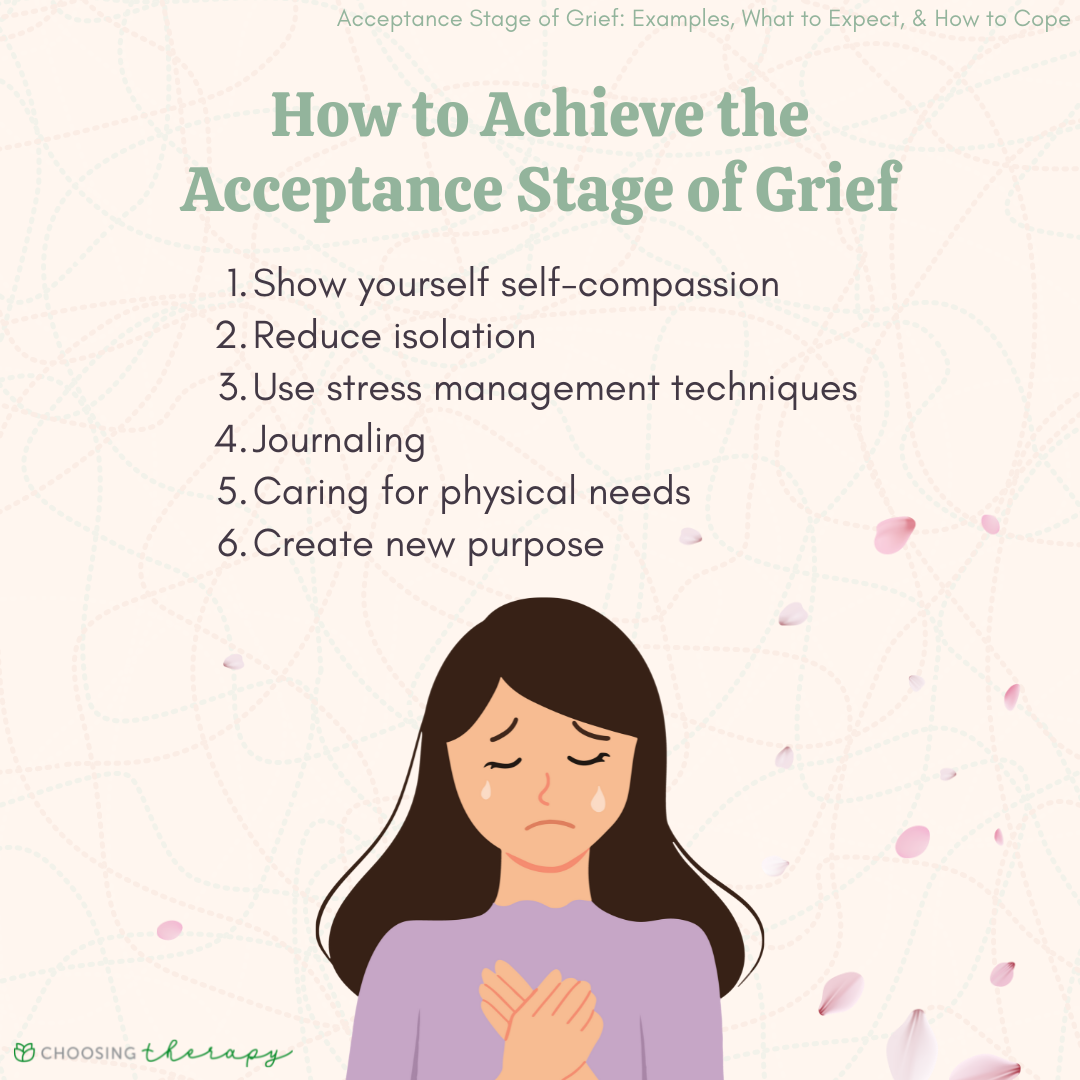
Getting to the approval stage does not suggest you are OK with what happened. Instead, this part of the mourning procedure is extra concerning accepting what your life looks like now. You will still need to listen to your sensations and adjust, but you will certainly start to really feel more wholeeven if it looks different than it did previously.

Latest Posts
Why New Parents Benefit From Dedicated Care in Napa, CA
Attention and Focus Diagnosis: Accessing Accurate Results
Intimate Partner Violence Recovery